


How to erase or reduce your digital footprint and minimize the risk of cyberattacks
Our online presence is broader than we imagine. Every search we make, every post we share, and every website we visit contribute to our digital footprint.
This footprint not only affects our reputation but can also expose us to various risks of cyberattacks. Therefore, it is essential to understand how to erase or reduce our digital footprint to protect ourselves on the Internet using tools such as Qondar, which allows you to monitor your online presence, identify data exposures, and much more.
What is digital fingerprinting, and how does it work on the Internet?
The digital footprint refers to the trace we leave when interacting in the digital environment. This trail can be active, such as social media posts or blog comments, or passive, such as information collected by websites without our awareness.
Whenever we browse, shop online, or use an app, we generate data that makes up our digital footprint.
This data is collected and stored by various entities, from marketing companies to cybercriminals, who can use it for purposes ranging from personalized advertising to malicious activities.
In addition, with the growth of artificial intelligence and big data, personal information has become a valuable resource that can be exploited without our knowledge.
Therefore, it is essential to understand how the digital footprint works on the internet to control it and minimize its impact on our privacy and security.
Impact of digital footprint on our reputation
Our digital footprint directly impacts how we are perceived in the online world. For example, an inappropriate photo or an unfortunate comment can affect job opportunities or personal relationships.
In addition, exposed personal information can be used to impersonate us, which entails legal and financial consequences.
According to cybersecurity experts, "everything exposed on the Internet is a danger, " highlighting the importance of properly managing our online presence.
Data breaches, which are reported occasionally, can expose sensitive information such as credit card numbers, personal addresses, or passwords, leaving us vulnerable to fraud and identity theft.

Strategies to reduce and eliminate your digital footprint
Here are some effective strategies to erase or reduce your digital footprint and minimize the associated risks:
1. Audit your online presence
Search for your name on search engines and see what information appears about you. This will allow you to identify sensitive or inappropriate data you want to delete. Review the images associated with your name, as they may reveal more information than you realize.
2. Set up the privacy of your accounts
Adjust privacy and security settings on social media and other platforms to control who can see your information and posts. Many platforms offer advanced privacy options that allow you to restrict access to your content to only people you trust.
3. Delete accounts you don't use
Close old accounts or those that you no longer use. If they are not adequately protected, these can be gateways for cybercriminals. Review the services you signed up for with your email and unsubscribe from those that are no longer relevant to you.
4. Request deletion of information
Contact administrators to request its removal if you find personal information on third-party websites. The LOPD allows you to demand that personal data you consider unnecessary or harmful be deleted.
5. Use privacy management tools
Some tools help you manage and minimize your digital footprint, alerting you to possible data exposures, as with Qondar. You can also use browsers with excellent privacy protection or search engines that don't track your activity.
It may interest you→ Importance of personal privacy in the digital age.
6. Be selective with the information you share
Before you post or share anything online, think about the potential consequences and who might have access to that information.
7. Keep your devices safe
Use strong passwords, regularly update your systems, and employ security software to protect your devices from potential threats. Avoid connecting to unprotected public Wi-Fi networks, as they can be used to intercept your information.
8. Regularly review your online reputation
Since digital footprint and reputation are closely linked, it's critical to regularly monitor what's being said about you online and take corrective action if necessary. You can turn on alerts in search engines to get notified when new information about you is published.
How to minimize the risks of cyberattacks
In addition to managing your digital footprint, it's crucial to take steps to protect yourself from potential cyberattacks:
1. Education and awareness
Educate yourself and stay up-to-date on current cyber threats and cybersecurity trends. Participate in courses or workshops on digital security to learn best practices.
2. Two-factor authentication
Enable two-factor authentication on your accounts to add an extra layer of security.
3. Watch out for links and attachments
Don't click on suspicious links or download files from unknown sources, as they could contain malware. Learn how to identify phishing emails and avoid providing personal data on unverified sites.
4. Make backups
Keep up-to-date backups of your important data to recover it in case of loss or attack.
5. Use secure networks
Avoid connecting to unprotected public Wi-Fi networks, as attackers can use them to intercept information. Use a VPN to encrypt your connection and protect your data whenever possible.
The Importance of Specialized Tools: Qondar by Enthec
Using specialized solutions to manage your digital footprint and protect against threats effectively is advisable. Qondar, developed by Enthec, is a Continuous Threat Exposure Management (CTEM) tool designed for individuals.
Qondar allows you to monitor your online presence, identify potential data exposures, and receive alerts on specific threats. This solution enables you to proactively protect your personal information and minimize the risks associated with your digital footprint.
Our digital footprint is an extension of ourselves in the virtual world. Properly managing it is essential to protecting our reputation and security. Adopting the strategies above and relying on specialized tools allows us to navigate the digital environment with greater confidence and peace of mind.
Remember, on the Internet, prevention and education are your best allies against cyber threats.


Relevance of obtaining the ISO 27001 Certificate
Information is one of businesses' most valuable assets, and ensuring its security has become essential for many organizations. One of the most effective ways to demonstrate this commitment is to obtain ISO 27001 certification.
Adequate cybersecurity tools are essential. Kartos, Enthec's solution for enterprises, is a comprehensive platform that facilitates continuous threat exposure management, allowing organizations to detect and proactively manage vulnerabilities.
Kartos fits perfectly with the philosophy of ISO 27001, helping companies identify risks and implement adequate controls to safeguard information.
What is ISO 27001 certificate?
ISO 27001 is an international standard that sets out the requirements for an Information Security Management System (ISMS). Its primary purpose is to protect the confidentiality, integrity, and availability of information within an organization.
By obtaining this certificate, a company demonstrates that it has implemented a set of processes and controls designed to manage and mitigate risks related to information security.

Benefits of obtaining ISO 27001 certification
Obtaining ISO 27001 certification is not just a formality but a process that provides multiple internal and external advantages within the organization. Below, we detail some of the most relevant benefits of having this certification:
Information protection
The main benefit of obtaining the ISO 27001 certificate is protecting sensitive information for the organization, such as confidential data of customers, employees, suppliers, and the company itself.
The standard helps to identify, protect, and manage this information appropriately, preventing unauthorized access, loss, or theft. Implementing a structured risk management and control system provides an additional layer of security against the most common cyber threats.
Reputation enhancement
In an environment where trust is a key part of a company's success, ISO 27001 certification is a way to demonstrate to customers, suppliers, and partners that the organization is committed to information security.
Transparency in digital security management, backed by an independent certification body, strengthens the company's reputation and builds confidence in its ability to protect sensitive data.
Legal and regulatory compliance
In many industries, strict regulations and laws govern data protection, such as Europe's General Data Protection Regulation (GDPR). Obtaining ISO 27001 certification demonstrates that the company complies with these legal requirements and helps avoid potential penalties for non-compliance.
In addition, the standard helps organizations keep their processes aligned with international regulations, which is essential in a globalized environment.
If you want to explore this further, access our post→ Regulatory compliance in cybersecurity: Keys to staying current.
Competitive Advantage
Having ISO 27001 certification can be a key differentiator in highly competitive markets. Many companies, especially those that handle sensitive information, prefer to work with certified vendors, as this ensures that their data will be adequately protected.
Continuous improvement
Implementing ISO 27001 is not a static process. The standard promotes continuous improvement in the security management system, ensuring that controls and processes are regularly updated to adapt to new threats and vulnerabilities.
This implies that the company must conduct regular audits, risk analyses, and reviews to keep the ISMS current and effective. A culture of continuous improvement is key to staying ahead of cybercriminals and other threats.
How to get certified in ISO 27001?
Obtaining ISO 27001 certification involves a structured process that can be summarized in the following steps:
- Management commitment. Senior management must be committed to implementing the ISMS and provide the necessary resources.
- Risk analysis. Identifying and assessing risks related to information security is essential. This analysis allows us to prioritize the areas that require attention and establish appropriate controls.
- Development of policies and procedures. Based on the risk analysis, the organization should develop policies and procedures that address identified threats and establish best practices for information security management.
- Implementation of controls. Implement the controls defined in policies and procedures to mitigate risks.
- Training and awareness. All staff must be informed and trained on security policies and understand their role in protecting information.
- Internal audit. An internal audit should be conducted before the certification audit to ensure that the ISMS meets the standard's requirements and functions effectively.
- Certification audit: An independent certification body will assess the organization's ISMS. If all requirements are met, ISO 27001 certification will be awarded.
Implementation of ISO 27001
Implementing ISO 27001 can present specific challenges for organizations:
Resistance to change
As with any organizational change, implementing ISO 27001 can lead to resistance, especially if it involves modifying how employees manage and process information.
Overcoming this resistance requires an effective communication strategy and ongoing training to raise awareness at all organizational levels about the importance of information security and the role each plays in it.
Limited resources
Implementing an ISMS according to ISO 27001 can require significant time, personnel, and resources. External consultants and specialized technology may be needed to conduct audits, manage risks, and implement controls.
Risk Management
Risk analysis, one of the key components of ISO 27001, can be complex. Identifying, assessing, and classifying risks can be challenging, especially in large companies or those with complex information systems.
Using specialized tools, such as the one offered by Kartos, can make managing these risks easier by providing an automated, real-time approach to threat and vulnerability detection.
You may be interested in→ 5 tips to improve your company's access management.
Risk analysis in ISO 27001
Risk analysis is a cornerstone in the implementation of ISO 27001. This process involves:
- Identification of assets. Determine what information and resources are critical to the organization.
- Identification of threats and vulnerabilities. Recognize potential threats that could affect assets and vulnerabilities that could be exploited.
- Risk assessment Analyze the likelihood of the identified threats occurring and their impact on the organization.
- Risk treatment. Decide how to address each risk by mitigating, transferring, accepting, or eliminating it.
This analysis allows the organization to prioritize its efforts and resources in the most critical areas, ensuring adequate information protection.
Kartos: a solution for Continuous Threat Exposure Management (CTEM)
Tools that facilitate risk management and mitigation are vital in the context of information security. Enthec's Kartos is a cyber-surveillance solution designed for companies seeking continuous management of their threat exposure.
Implementing this type of solution complements the requirements of ISO 27001 and allows organizations to stay ahead of potential security incidents, reduce risk, and protect their most valuable assets.
Obtaining the ISO 27001 certificate is a fundamental step for any company that values the security of its information. Beyond complying with a standard, becoming certified involves adopting a data protection culture, risk management, and continuous improvement.
However, certification is not the endpoint of the process; security must be maintained proactively and consistently. Kartos makes a difference by providing continuous, automated monitoring bolsters enterprise cybersecurity.
If your organization is on the path to ISO 27001 certification or has already obtained it but wants to improve its security strategy, consider Kartos your ally for adequate and sustained protection over time.
Cybersecurity Compliance: Keys to Staying Up to Date
Cybersecurity is a constant challenge for companies. New threats appear daily, and all organizations, from the smallest to multinationals, must be prepared to face them.
However, it is not only a matter of defending oneself from possible attacks from abroad but also of doing so within the legal framework regulated in countries and the European Union. That's where cybersecurity compliance comes in. At Enthec, we help you comply with all cybersecurity regulations.

What is regulatory compliance in cybersecurity?
Cybersecurity compliance refers to the laws, regulations, and standards companies must follow to protect their systems, data, and communications.
It is not only a legal obligation but a fundamental strategy to minimize risks and increase the trust of customers and partners.
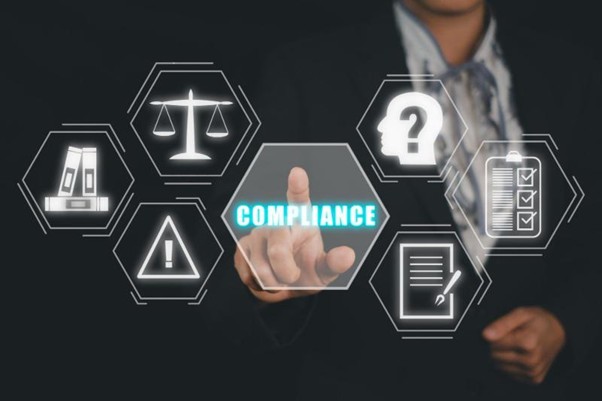
Goal of Cybersecurity Compliance
Cybersecurity compliance aims to protect sensitive information and ensure that organizations act responsibly in the face of digital risks. Compliance helps:
- Avoid economic and legal sanctions
- Protect customer and employee data.
- Maintain the reputation and trust of the company.
- Prevent cyberattacks and reduce their impact.
- Establish effective and up-to-date security processes.
- Facilitate the adoption of new technologies in a secure way.
- Ensure business continuity in the face of emerging threats.
Main regulations in cybersecurity
Depending on the industry and location of the company, cybersecurity regulations may vary. However, some of the most relevant in the European area are:
General Data Protection Regulation (GDPR)
It is one of the most well-known regulations and affects any organization that processes the personal data of EU citizens. It requires adequate security measures, notification of data breaches, and transparency in the use of information.
Spanish National Security Scheme (ENS)
The ENS, which applies to public administrations and companies that work with them in Spain, establishes the minimum principles and requirements to guarantee the security of information systems. Its objective is to strengthen data protection and digital services in the governmental sphere.
Payment Card Industry Data Security Standard (PCI DSS)
This security standard is mandatory for all businesses that process, store, or transmit payment card data. It establishes strict measures to protect financial information and reduce the risk of fraud in electronic transactions.
NIS 2 Directive
The evolution of the NIS Directive seeks to strengthen safety in essential sectors such as energy, transport, and health. It requires risk management measures and security incident reporting.
ISO 27001
This international standard sets out best practices for information security management. Obtaining the certification demonstrates the company's commitment to data protection.
ISO 22301
ISO 22301 focuses on business continuity management. It helps organizations prepare for disruptions and ensure they can continue to operate in the event of serious incidents, including cyberattacks.
Digital Services Act (DSA)
For online platforms and digital providers, this law introduces security and transparency obligations in managing data and content.
Cybersecurity Compliance Challenges
Ensuring regulatory compliance in cybersecurity is not easy. Companies face several scenarios that make absolute cybersecurity difficult:
- Constantly evolving threats. Regulations change to adapt to new risks, which forces them to be updated continuously.
- Lack of resources. Not all companies have specialized cybersecurity and compliance teams.
- Supplier management. Organizations rely on third parties for many digital operations, complicating security control.
- Difficulty in implementation. Implementing security measures that comply with regulations without affecting operability is a challenge.
- Lack of regulatory knowledge. Many companies are not current with the legal requirements, and the penalties can be high.
Strategies to ensure regulatory compliance in cybersecurity
The main strategies for ensuring regulatory compliance in cybersecurity are the following:
Continuous audits and evaluations
It is key to periodically review systems and procedures to detect vulnerabilities and ensure regulatory compliance.
Training and awareness
Employees are the first line of defense. Providing cybersecurity training helps reduce human error and improve security.
Deploying Threat Management Tools
Having cybersecurity solutions that continuously analyze threat exposure allows you to react before incidents occur.
Constant updating
Laws and standards evolve, so staying informed and updating security measures when necessary is critical.
Security outsourcing
Sometimes, specialized cybersecurity providers may be the best option to ensure regulatory compliance.
Integration with other security strategies
Compliance should be part of an overall security strategy that includes monitoring, incident response, and disaster recovery.
Kartos: Your Ally in Threat Management and Compliance
Ensuring cybersecurity compliance may seem complicated, but some tools make the process easier. Kartos, Enthec's solution, is designed to help companies manage their threat exposure continuously.
Kartos allows:
- Monitor and analyze threats in real-time.
- Assess risks and vulnerabilities in systems.
- Generate detailed reports to comply with regulations such as ENS or ISO27001.
- Improve security without affecting business operations.
- Adapt quickly to changes in legislation and safety standards.
- Automate regulatory compliance processes to optimize resources.
It's not just about avoiding penalties, it's about building a safer and more resilient digital environment. With tools like Kartos, businesses can stay ahead of risks and maintain control over their security.
If you'd like to learn how Kartos can help you protect your organization and stay compliant, contact us and learn how to manage your threat exposure efficiently.

DrDoS: main features and operation
Distributed Denial of Service (DDoS) attacks are a constant threat in the digital world. The Distributed Reflection DDoS (DrDoS) attack is an exceptionally sophisticated variant.
In this article, we will explain in detail a DrDoS attack, its main characteristics, and how it works since there are many occasions when an attacker exploits a system's vulnerabilities and compromises some services. In addition, we will tell you how to protect yourself against these attacks through Enthec.
What is a DrDoS attack?
A DrDoS attack is a form of DDoS attack that relies on mirroring and amplification. Instead of directly attacking the victim, the attacker sends requests to intermediary (mirror) servers, which, in turn, respond to the victim with amplified responses
In this way, it is possible to overload the victim's resources, causing interruptions in their services.

Main characteristics of DrDoS attacks
Among the main characteristics of DrDos attacks, we highlight the following:
- Reflection. The attacker sends requests to legitimate servers but spoofs the source IP address to make it look like they're coming from the victim. Upon receiving the request, these servers send the response directly to the victim, unaware that they are participating in an attack.
- Amplification. Attackers leverage protocols that generate more significant responses than the original requests. This means that a small request can trigger a much larger response, thus amplifying the volume of traffic directed at the victim.
- Difficulty of tracing. Because the responses come from legitimate servers, it is more difficult for the victim to identify and block the actual source of the attack.
How a DrDoS attack works
The process of a DrDoS attack can be broken down into the following steps:
- Selection of mirror servers. The attacker identifies servers that respond to requests from specific protocols that allow amplification. These servers act as unwitting intermediaries in the attack.
- Spoofing the IP address. The attacker sends requests to these servers but spoofs the source IP address to make it look like they are coming from the victim. Servers used in DrDoS attacks can have their IP reputation compromised, which can lead to blacklisted blocks, affecting their legitimate communication on the internet.
- Amplified request submission. Requests are designed to take advantage of the protocol's amplification feature so that the server's response is much larger than the original request
- Saturation of the victim. Mirror servers send the amplified responses to the spoofed IP address (the victim), flooding their bandwidth and resources, which can lead to disruption of their services
Protocols commonly used in DrDoS attacks
Attackers often leverage protocols that allow for high amplification. Some of the most common include:
- DNS (Domain Name System). Through specific queries, a small request can generate a much larger response. Not only are misconfigured DNS servers vulnerable to DrDoS attacks, but they can also facilitate phishing campaigns and malicious redirects.
- NTP (Network Time Protocol). By sending a "monlist" request, a list of the last IP addresses connected to the server can be received, resulting in an amplified response.
- Memcached. Although not a network protocol, exposed Memcached servers can amplify traffic, as a small request can generate a massive response.
- SSDP (Simple Service Discovery Protocol). Used by IoT devices and routers, it allows attackers to send minimal requests and receive huge responses.
- SNMP (Simple Network Management Protocol). Often misconfigured, this protocol allows queries that return large volumes of information, amplifying traffic.
Impact of DrDoS attacks
The impact of a DrDoS attack can be devastating, both for the direct victim and for the unwitting mirroring servers:
- Service disruption: Businesses, online services, and platforms may be inaccessible during the attack.
- Economic losses: A prolonged attack can affect sales, advertising, and online transactions.
- Reputational damage: customers and users can lose trust in an affected company or service.
- Use of third-party resources: Mirror servers can suffer from performance issues and even be held liable for their vulnerable configuration.
Protective measures against DrDoS attacks
Protecting against DrDoS attacks requires a combination of best practices and technological solutions:
- Secure server configuration. Ensure that servers do not respond to requests from untrusted sources and limit responses to legitimate requests. In addition, it is essential to apply correct security patch management and update vulnerable protocols regularly, since attackers can use outdated versions to perform amplification attacks.
- Traffic filtering. Implement systems that detect and filter malicious traffic, especially from spoofed IP addresses.
- Continuous monitoring. Constantly monitor network traffic for unusual patterns that may indicate an attack in progress.
- Use of threat exposure management solutions. Specialized tools can help identify and mitigate threats before they cause harm.
Enthec Solutions for Continuous Threat Exposure Management
Tools that allow for constant and proactive vigilance are essential in today's cybersecurity landscape. Digital threats can be classified into categories based on their impact on the network, data, and business systems. From attacks on infrastructure, such as DrDoS, to data breaches and IP reputation threats, each type of risk requires a specific security approach.
To address this challenge, Enthec offers Kartos, an advanced monitoring solution that classifies threats into distinct categories and enables companies to identify and mitigate risks proactively.
Designed for enterprises, it is an automated, non-intrusive, and continuous monitoring tool that provides data and alerts on open and exposed vulnerabilities in real-time by simply adding the company's domain to be monitored.
This solution falls under Continuous Threat Exposure Management (CTEM), providing an additional layer of security by identifying and mitigating risks before they become real problems.
DrDoS attacks pose a significant threat in today's digital environment. Understanding how they work and feature is the first step to implementing effective protection measures.
In addition, having specialized solutions such as the one offered by Enthec can make all the difference in proactively defending against these and other cyber threats.

6 online threats that can affect your business
Businesses are increasingly relying on connectivity and online tools to operate and grow. However, this dependence also brings significant risks: network threats are a real and constant danger that can seriously affect any organization, regardless of its size or sector.
Throughout this article, we'll learn about online threats, their main types, and how they can impact your business. We will also show you how to protect yourself with advanced management tools such as Kartos, a cyber-surveillance solution designed specifically for companies.
What are online threats?
When we talk about threats on the network, we refer to any malicious action, program, or actor that seeks to compromise the security of digital systems. These threats can target your data, systems, employees, or corporate reputation.
Global interconnectedness makes it easier for organizations to manage international operations, but it also opens the door to cyber risks that previously seemed unlikely. From targeted attacks to threats that affect entire industries, threats on the online network are constantly evolving, adapting to new technologies and vulnerabilities.
Featured Types of Network Threats
To protect your business, it's first critical to understand the online threats you might face.
Malware
The types of malware are divided into viruses, worms, Trojans, and ransomware. These threats seek to infiltrate your systems to steal data, damage information, or hijack files for ransom.
For example, in May 2023, a well-known ransomware attack hit a financial services company in Europe, paralyzing its operations for days and causing an estimated loss of millions of euros and significant reputational damage.
This case highlights the need for robust security measures to prevent such incidents. Ransomware, for example, is particularly dangerous because it can paralyze your entire operations in minutes.
Phishing
Phishing is one of the most common and effective online threats. Cybercriminals impersonate trusted entities, such as banks or suppliers, to trick employees and gain access to sensitive information.
DDoS (Distributed Denial of Service) attacks
These attacks overload your company's servers, disrupting services and leaving users without access. While they don't always steal information, their impact can devastate the business, reputation, and customer experience.
Social engineering
Through psychological tactics, social engineering attackers manipulate employees into revealing sensitive data or taking harmful actions. This type of threat exploits the weakest link: the human factor.
Credential theft
Attackers use techniques such as credential stuffing to gain access to corporate accounts, putting the company, its customers, and its partners at risk.
Insider threats
Not all threats come from the outside. Disgruntled or careless employees can also put systems at risk by sharing sensitive data or ignoring security policies.
Why are these threats dangerous?
Dangers and threats on the network do not only imply an immediate financial loss. Long-term impacts can be equally or more detrimental:
- Operational interruptions. Attacks can halt production, crash systems, or disrupt services, directly impacting productivity.
- Loss of confidence. Customers expect their data to be secure, and a security breach can irreversibly damage your brand's reputation.
- Legal sanctions. With regulations such as the GDPR, poor data management can lead to significant fines.
- Unexpected costs. From paying ransoms for ransomware to the need to invest in security audits, expenses skyrocket.
In a competitive environment, any vulnerability can be exploited by competitors or cybercriminals to gain an unfair advantage.
How can you protect your company from online threats?
Adopting prevention and preparedness measures against network threats protects your company's data and operations and strengthens the trust of your customers and partners. By being prepared, you can avoid high downtime, protect your reputation, and ensure compliance with legal regulations.
Constant training of staff
Employees are your first line of defense. Ensure they understand how to identify suspicious emails, maintain strong passwords, and follow security policies.
Security Software Implementation
Installing antivirus, firewalls, and intrusion detection systems is critical to protecting your networks and devices.
Regular Backups
Make automatic and frequent backups to ensure your information is safe even during an attack.
Continuous monitoring
A continuous threat exposure management solution, such as Kartos, allows you to identify vulnerabilities and respond quickly to any incident.
Access control
Implement multiple levels of authentication and ensure that only authorized personnel have access to sensitive information.
Kartos: Your ally in the fight against online threats
Faced with an ever-changing cyber threat landscape, businesses need tools that react and anticipate risks. This is where Kartos makes a difference. Unlike other solutions on the market that focus solely on detection and response, Kartos takes a proactive approach by providing continuous threat exposure management (CTEM).
Its ability to analyze threats in real-time, generate customized reports, and scale according to each company's specific needs makes it an indispensable ally for protecting data, corporate reputation, and business continuity.
No company can ignore network threats. From malware to phishing, the dangers are varied and constantly evolving. But your business can be one step ahead with the right strategy and advanced tools like Kartos. Don't let cyber risks compromise your success.
Protect your future today with cutting-edge solutions that help you continuously and effectively manage and mitigate threats.
Find out how Kartos can transform your cybersecurity. Contact us now and give your company the protection it deserves.

Corporate Compliance: Featured Features
Compliance in companies has gone from being a trend to becoming a fundamental need for many organizations. From protecting corporate integrity to ensuring regulatory compliance, compliance is positioned as a key tool for the success and sustainability of any organization.
In this article, we'll discover compliance, its core functions, how it influences cybersecurity and the legal framework, and how solutions like Engec's Kartos can make a difference.

What is compliance, and why is it so important?
Business compliance refers to the procedures, policies, and controls that ensure an organization complies with applicable laws, regulations, and internal rules. In a time of sanctions, fraud, and reputational scandals, having a robust compliance program is necessary and strategic.
An example of a company's compliance could be a program that prevents money laundering by adhering to regulations such as the Law on the Prevention of Money Laundering. These initiatives protect companies from legal sanctions and strengthen customer and partner trust.

Outstanding functions of compliance in the company
The success of compliance lies in the breadth of its functions, which range from legal risk management to protection against digital threats. Here are some of the most relevant:
1. Legal and regulatory compliance
One of the primary responsibilities of compliance is ensuring that the company operates within the legal framework. This includes complying with local, international, and sector-specific laws and regulations.
For example, the company's legal compliance may involve implementing a system to manage the GDPR (General Data Protection Regulation) and ensuring that customers' data is adequately protected and managed.
2. Risk management
Identifying and mitigating risks is a crucial task of compliance. These risks can be financial, operational, or reputational. The aim is to prevent the company from facing financial penalties, loss of customers, or damage to its public image.
3. Promotion of an ethical culture
Compliance also seeks to promote a business culture based on ethics and values. This includes continuous employee training and creating a clear and accessible company compliance policy.
4. Strengthening cybersecurity
Cybersecurity compliance is more relevant than ever in an increasingly complex digital environment Protecting sensitive information, preventing cyberattacks, and ensuring operational continuity are fundamental aspects of any compliance program.
For example, a company can implement cybersecurity measures such as continuous threat monitoring, ensuring that systems are always up to date and protected against vulnerabilities.
5. Audits and internal controls
Compliance establishes auditing processes to ensure that standards are effectively complied with. This includes periodic reviews and mechanisms to detect and correct non-compliance early.
How to implement an effective compliance program?
Creating an effective compliance program requires a comprehensive approach tailored to the specific needs of each organization. Here are some keys:
- Risk analysis. Identify your company's most vulnerable areas, whether legal, financial, or digital.
- Training and awareness Educate your employees on the importance of compliance and provide them with the tools they need to act ethically.
- Clear policies. Establish clear rules and procedures, ensuring they are understandable and accessible to all levels of the organization.
- Technological tools. Rely on technology solutions like Kartos to manage threat exposure and ensure regulatory compliance.
The importance of compliance in cybersecurity
Cybersecurity compliance protects the company's systems and data and reinforces the trust of customers and partners. Some best practices include:
- Continuous threat monitoring.
- Use of advanced cybersecurity tools to detect suspicious activity.
- Creating clear protocols for responding to security incidents.
In this context, having solutions like Kartos is essential. This Enthec tool enables companies to proactively manage their threat exposure, ensuring a continuous threat exposure management (CTEM) approach that protects information and corporate reputation.
You may be interested in→ Proactive security: what is it and why use it to prevent and detect threats and cyberattacks?
Benefits of employing a solution like Kartos
Kartos is a comprehensive solution designed for companies looking to strengthen their compliance strategy. Some of its benefits include:
- Early identification of risks. Detects web vulnerabilities before they can be exploited.
- 24/7 monitoring. Ensures constant monitoring of digital threats.
- Compliance. Helps to comply with industry regulations and avoid legal penalties.
- Reputation protection. Minimizes the impact of potential incidents on customer trust.
Compliance in companies is much more than a legal requirement; it invests in sustainability, ethics, and corporate security. From regulatory compliance to cyber threat protection, their roles are essential to ensuring success in an increasingly demanding business environment.
Invest in cyber surveillance solutions like Kartos by Enthec to improve your company's compliance. Its focus on continuous threat management gives you the peace of mind and support to focus on what matters: growing your business safely and responsibly.
Discover everything Kartos can do for you and protect your company today!

The Meaning of Shadow IT in Corporate Cybersecurity
When we talk about business cybersecurity, we can find concepts that, although they may seem complex, are essential to understanding today's challenges. One of them is Shadow IT. But what exactly is it, and why should you care as a company manager?
In this article, we'll explain this scenario and show you how to manage it to protect your organization.
What is Shadow IT?
Shadow IT refers to using applications, devices, services, or computer systems within an organization that the Information Technology (IT) department has not approved or monitored. While it may not sound serious, this phenomenon poses significant data security and control risks.
Simply put, Shadow IT appears when employees adopt external tools, whether to increase their productivity, facilitate teamwork, or fix immediate problems. However, because these solutions are not regulated or aligned with company policies, they can become an open door for cyberattacks or data leaks.
Shadow IT: meaning in the business context
When we discuss Shadow IT and its meaning in the business environment, we are not only discussing unauthorized technological tools. Its impact is more profound, as it affects an organization's ability to maintain centralized control over its infrastructure and the sensitive data it handles.
A typical example is a sales team using a free cloud storage application to share documents. While you intend to improve collaboration, you could risk sensitive customer data, as those platforms may lack robust security measures.
Examples of Shadow IT in companies
To better understand the scope of this phenomenon, here are some common examples of Shadow IT:
- Unauthorized messaging apps: Employees who use WhatsApp or Telegram to share corporate information instead of secure tools provided by the company.
- Cloud storage services: Platforms like Google Drive or Dropbox used without IT approval.
- Project management software: Tools like Trello or Asana that some teams adopt without consulting the technology team.
- Unregistered hardware: personal devices (mobiles, laptops or tablets) connected to the corporate network without adequate security.
These examples show how shadow IT arises from employees' need to resolve issues quickly without considering the long-term implications for the company's security.
The risks of Shadow IT in cybersecurity
Shadow IT may seem harmless, but its risks are real and varied:
- Exposure to cyberattacks: Unsupervised applications can contain vulnerabilities that attackers exploit to access the enterprise network.
- Lack of regulatory compliance: Many industries have strict regulations on data management. If an unauthorized tool stores sensitive data, it could result in fines or penalties.
- Data fragmentation: information dispersed across multiple applications makes it difficult to manage and protect.
- Loss of visibility: IT loses control over which tools are used and where critical data is.
- Data leakage risks: Employees could unintentionally share sensitive information through unsecured applications
How to prevent and manage Shadow IT?
The key to reducing the impact of shadow IT is not to ban its use entirely but tomanage it proactively. Here are some effective strategies:
- Encourage team communication: listen to employees' technology needs and offer secure, authoritative solutions that fit their daily work.
- Set clear policies: Define rules about using apps and devices and explain the risks associated with shadow IT.
- Invest in monitoring solutions: Use tools that provide visibility into the applications and devices connected to your network.
- Educate employees: Organize cybersecurity training sessions for the team to understand how their actions affect the company's security.
- Adopt continuous management solutions: Ensure the company has technologies capable of continuously identifying and mitigating risks.
You may be interested in→ Cybersecurity solutions that you should apply in your company.
Kartos: the ultimate solution to manage Shadow IT
At Enthec, we understand that managing shadow IT is a key challenge to protect your organization. We've developed Kartos, a solution designed specifically for companies seeking a comprehensive approach to Continuous Threat Exposure Management (CTEM).
With Kartos, you can:
- Detect and identify data breaches caused by Shadow IT: our solution scours all Web layers to locate any corporate data leaks and detect the causative breach.
- Monitor threats in real-time: Gain complete visibility into vulnerabilities caused by shadow IT in real-time.
- Detect open gaps, including those caused by the use of Shadow IT
- Reduce risk and protect business continuity proactively: Disable vulnerabilities before they are used to design an attack.
If you are looking for a solution that detects threats and allows you to act proactively, Kartos is your best ally.
Shadow IT may seem like a quick fix for everyday problems, but its impact on enterprise cybersecurity is undeniable. The good news is that, with the right tools and strategies, you can transform this challenge into an opportunity to improve your organization's security and efficiency.
At Enthec, we're committed to helping you manage your threat exposure continuously and effectively. Contact us and discover everything Kartos can do for your company and take the next step towards more robust and reliable cybersecurity.

Third-Party Risks: how to protect your business from external threats
Third-party risks are a reality that no organization can ignore. Reliance on external vendors, partners, and services is rising, but have you considered how these relationships can become a gateway for threats?
This article will help you understand third-party risks, why managing them is essential, and how specialized cyber surveillance solutions like Kartos can benefit your business.
What are third-party risks?
Third-party risks refer to threats from external entities with which your organization interacts. This includes vendors, contractors, business partners, and any other entity with access to your data, systems, or processes.
For example, imagine that your cloud service provider suffers a cyberattack. Even if you're not the direct target, the consequences can devastate your business, from losing sensitive information to disrupting your day-to-day operations.
Managing these risks is vital to ensuring the security and continuity of your organization. This is where the TPRM (Third Party Risk Management) concept comes into play.
You may be interested in→ 5 tips to improve your company's access management.

What is TPRM and why is it important?
TPRM is identifying, assessing, and mitigating risks associated with third parties. This approach helps companies:
- Protect your sensitive data. Ensure that suppliers and partners comply with the required security standards.
- Avoid interruptions in operations. Anticipate possible failures or vulnerabilities that may affect the business.
- Comply with legal regulations. Many regulations, such as the GDPR, require strict controls over relationships with third parties.
Managing third-party risks is not optional but necessary in an environment where digital supply chains are becoming increasingly complex.
Cybersecurity and third-party risks: a complicated marriage
Cybersecurity is one of the most critical aspects in third-party risk management. According to recent studies, more than 60% of security breaches originate from third parties. This is because, in many cases, attackers find in them the weakest link to access their final goal: your company. Some of the most common risks related to third parties are:
- Insecure access: providers with weak passwords or without multi-factor authentication.
- Lack of updates: outdated systems that become exploitable vulnerabilities.
- Unencrypted data transfers: exchanges of sensitive information without adequate safeguards.
- Fourth-tier providers: subcontracted entities that do not meet expected security standards.
Key tools to manage third-party risks
You need more than just trusting your partners or suppliers; you need a robust system to assess and monitor risks continuously. In this context, cybersecurity tools, such as Enthec's solutions, stand out as a reliable and practical choice.
Kartos: Designed for Business
Kartos is a cyber-surveillance solution focused on continuous threat exposure management (CTEM). With it, your organization can:
- Identify risks in real time. Detect potential vulnerabilities before they become a problem.
- Evaluate your third parties. Check if your partners meet the security standards you need.
- Generate clear and actionable reports. It facilitates data-driven decision-making.
This solution works under a CTEM approach, ensuring that you not only identify threats, but also take action to mitigate them.
Best practices to minimize third-party risks
In addition to using solutions such as those from Enthec, there are several measures you can implement to strengthen security:
- Conduct regular evaluations. Evaluating your third parties at the beginning of the relationship is not enough; it is crucial to do so continuously.
- Establish clear contracts. It includes specific clauses related to security and compliance.
- Train your team. Your employees need to be aware of third-party risks and how to spot them.
- Implement security audits. Regularly review your partners' systems and procedures.

Protect your business today!
In an increasingly interconnected world, managing third-party risks isn't just an option; it's a responsibility. Enthec, with its cyber-surveillance solutions like Kartos, is here to help you ensure your business's and your data's security.
Don't let a third party cause a breach in your organization. Take the first step toward continuous threat exposure management with cybersecurity tools designed to fit your needs.
Contact us and find out how to protect yourself from third-party risks proactively and efficiently.

Public image on the internet: how to Protect it from Digital Risks
We live in a digital age where our online presence is just as significant as our image in the real world. The "public image" is not limited to political figures or celebrities; anyone with profiles on social networks, blogs, or professional platforms has an image to care for. Protecting this public image is essential to maintaining a strong reputation, and cyber surveillance solutions like Qondar can help you manage and monitor your digital presence effectively.
But what is public image, and why should you pay attention to it?
What is online public image?
Public image is the perception that others have of you based on your actions, words, and shared content, primarily online. It can be defined as the impressions you leave on others through your behavior and digital presence.
Building a good public image online is essential to protecting your reputation and opening doors professionally and personally. This is where the power of public image comes into play: it allows you to connect, influence, and stand out in an increasingly competitive environment.
However, it also comes with risks. Mishandling your online presence can lead to cyberbullying, identity theft, or damage to your reputation. That's why, in today's article, we offer you practical tips to protect it.

How you can keep your public image safe
Some of the actions you can take to keep your public image protected are the following:
Review and update your privacy settings
The first step in protecting your public image is to ensure the safety of your personal information. Platforms like Facebook, Instagram, and LinkedIn offer personal privacy settings that allow you to control who can see your content.
- Regular check-up. Spend time checking what information is public and adjust it according to your needs.
- Avoid oversharing. Data such as your location, date of birth, or family details can be used against you.
Think before you post
Everything you share online remains recorded, even if you later delete it. Before posting a photo, comment, or review, ask yourself:
- Could this be misinterpreted?
- Am I sharing anything that could compromise my privacy or security?
- How will this impact my public image in the long run?
Taking this preventative approach can prevent problems in the future. Remember, what you post online stays online.
Google your name regularly
It's important to know what appears about you in search engines, as it's the first impression others will have when searching for you. If you find incorrect or harmful information, consider contacting the platform to request its removal or seek professional help.
Protect your accounts with strong passwords
The security of your online profiles is key to preventing identity theft or unauthorized access to your information. Use strong and different passwords for each account.
It complements this measure with two-step authentication, adding an extra security layer.
Maintain a professional profile
Your social media activity also reflects your public image. Even if you use your profiles personally, it's a good idea to maintain a respectful and professional tone.
- LinkedIn. Optimize your professional profile and make sure it is up to date.
- Personal networks. Take care of your interactions and avoid unnecessary discussions that can tarnish your reputation.

Learn to recognize online threats
The digital environment is full of risks, from phishing emails to identity theft on social networks. Being alert to these threats will help you protect your public image. Some warning signs include:
- Messages or emails that ask for confidential information.
- Fake profiles trying to gain access to your information.
- Comments or mentions that seek to provoke you to react.
Use cybersecurity tools
Cyber surveillance solutions like Qondar can make all the difference in proactively protecting your public image. These platforms monitor and manage your threat exposure in real-time.
Create a consistent digital presence
Maintain a consistent narrative across your social media and platforms. This doesn't mean that you should always share serious content, but it does mean that you should do it in a way aligned with the image you want to project.
- Delete old posts that no longer align with your current profile.
- Set a visual style and tone in your posts.
The importance of a solution like Qondar
Protecting your public image can be simple, especially if you have advanced solutions like Qondar. Designed for individuals, this Continuous Threat Exposure Management (CTEM) solution gives you complete control over your digital presence.
Qondar helps you:
- Monitor mentions and references to your name in real-time.
- Detect and manage potential risks before they become problems.
- Keep your public image aligned with your personal and professional goals.
If you need a more business-focused solution, Kartos is ideal for protecting corporate reputation and ensuring your organization's cybersecurity.
Protect what matters most: your reputation
Your online public image is a valuable asset that deserves to be protected. Applying these tips and having cyber surveillance solutions in place can make the difference between a strong reputation and a complex problem to solve. Don't underestimate the power of the public image; invest time and effort in caring for and strengthening it.
Start protecting your public image with Qondar today. Contact us and take the first step towards a safe and professional online presence.